
Guidelines for maintaining ear health and preventing infections in Singapore
Ear infections are a prevalent health issue in Singapore, frequently arising from common respiratory illnesses, allergies, or moisture trapped in the ear canal. While often associated with childhood, these infections can cause significant pain, pressure, and temporary hearing loss in adults as well. For individuals who suffer from chronic or severe damage due to repeated infections, advanced solutions such as a cochlear implant Singapore surgery might eventually be discussed with a professional, though prevention remains the primary goal. This article outlines practical strategies for families to reduce the incidence of ear infections and protect their long-term auditory well-being through informed, proactive care.
Key Takeaways:
- Anatomy plays a major role in infection risk, with children being more vulnerable due to the horizontal orientation of their Eustachian tubes.
- Passive measures, such as avoiding second-hand smoke and managing house dust mites, can significantly reduce inflammation in the middle ear.
- Breastfeeding provides infants with essential immune support, while upright feeding positions prevent milk from entering the ear canal.
- For adults, keeping the ears dry after swimming and avoiding the use of invasive cleaning tools are the most effective preventive habits.
- Seeking early consultation with a specialist can prevent chronic complications, such as eardrum damage or permanent hearing changes.
The biological basis of middle ear infections
An ear infection typically begins when the middle ear—the space behind the eardrum—becomes congested due to a viral or bacterial illness. This area is connected to the back of the throat by the Eustachian tubes, which are responsible for draining fluid and equalising air pressure. When these tubes become swollen from a cold or flu, fluid is trapped in the middle ear, providing an ideal environment for pathogens to multiply. This leads to the classic symptoms of an infection, including throbbing pain, a sense of fullness, and muffled hearing.
The reason children are disproportionately affected lies in their physical development. A child’s Eustachian tubes are shorter and more horizontal than those of an adult, which hampers effective drainage. As children grow and their facial bones develop, these tubes become more vertical and wider, allowing fluid to drain more efficiently into the throat. In adults, while the risk is lower, infections are often triggered by chronic sinus inflammation or sudden changes in air pressure, such as during air travel or diving.
Preventive strategies for the paediatric population
For parents in Singapore, focusing on the early stages of a child's development can have a lasting impact on their ear health. Breastfeeding is highly recommended as it passes on antibodies that help the infant fight off respiratory infections that often lead to ear issues. When bottle-feeding, it is important to hold the baby in an upright or semi-upright position. Allowing a child to drink while lying flat can cause liquids to flow back into the Eustachian tubes, causing irritation and potential infection.
Environmental control is another essential factor. Exposure to cigarette smoke is a major risk factor for middle ear infections, as the smoke irritates the lining of the Eustachian tubes and interferes with their ability to clear fluid. Families should also be mindful of shared environments, such as nurseries or playgroups, where viruses spread easily. Encouraging regular hand washing and ensuring that children are up to date with their immunisation schedule can further bolster their defences against the illnesses that precede ear complications.
Maintaining adult ear health through hygiene and habit
Adults can significantly reduce their risk of infection by modifying simple daily habits. One of the most frequent causes of outer ear infections is the presence of trapped moisture after swimming or showering. To prevent this, it is advisable to dry the outer ear thoroughly with a soft towel and tilt the head to allow any water to drain out naturally. For those who swim frequently, using earplugs can provide an additional layer of protection against "swimmer's ear," which is caused by bacteria thriving in damp conditions.
Furthermore, the common habit of using cotton swabs to clean the ears should be avoided. The ear is a self-cleaning organ, and wax usually migrates out of the canal on its own. Using swabs can push wax deeper against the eardrum, causing a blockage, or it can create micro-tears in the skin that serve as entry points for bacteria. For individuals with chronic allergies, managing nasal congestion through prescribed treatments can prevent the secondary swelling of the Eustachian tubes, thereby maintaining healthy ear pressure and drainage.
Identifying signs that require specialist intervention
Recognising the difference between a mild earache and a serious infection is vital for timely treatment. In young children, signs of an infection may not always be obvious; they might include irritability, difficulty sleeping, or a lack of appetite. Tugging at the ear or a lack of response to quiet sounds is also indicative of fluid buildup. If a fever persists or if there is any discharge of pus or blood from the ear canal, it is imperative to contact a medical professional immediately.
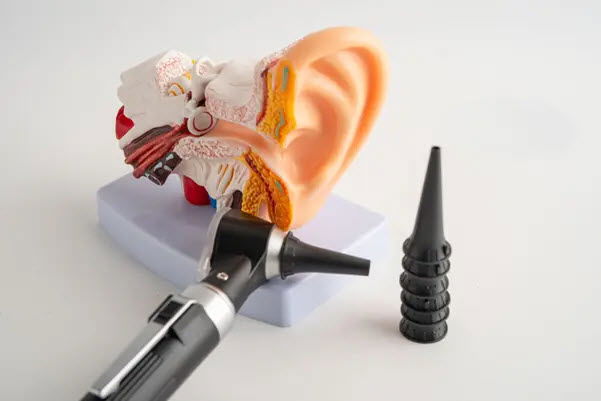
Adults should be alert to persistent symptoms such as a "clogged" feeling that does not resolve after several days, or any sudden changes in hearing clarity. Balance issues or giddiness can also be linked to inner ear disturbances caused by an infection. A specialist will typically perform a visual inspection using an otoscope to check for redness, bulging of the eardrum, or fluid. In some cases, a pressure test called tympanometry may be used to evaluate how well the eardrum moves and to confirm the presence of fluid in the middle ear.
Clinical support and long-term management in Singapore
When infections become a recurring problem, a deeper clinical investigation is necessary to prevent long-term damage to the auditory system. Persistent fluid in the middle ear can interfere with speech development in children and cause frustration for adults. Clinics like Novena ENT offer specialised care that addresses both the immediate infection and the underlying causes, such as nasal polyps, enlarged adenoids, or chronic sinusitis.
An ear specialist clinic in Singapore provides the necessary diagnostic tools to determine if surgical intervention, such as the insertion of tiny drainage tubes (grommets), is required for chronic cases. These procedures are designed to equalise pressure and prevent fluid from accumulating, significantly reducing the frequency of infections. By working closely with a medical team, families can develop a comprehensive care plan that ensures both the respiratory and auditory systems are functioning optimally, leading to improved comfort and better hearing for all family members.
Read another Article: Effective strategies for reducing the risk of ear infections in Singapore