
The Strategic Impact of Accredited Forklift Training on Warehouse Profitability in Singapore
In the high-intensity world of Singaporean logistics, the human element remains the most significant variable in determining the success of a material handling operation. While businesses often focus their capital on acquiring the latest reach truck technology or high-capacity electric units, the long-term value of these assets is ultimately dictated by the competence of the personnel operating them. In a region where space is at a premium and operational velocity is a requirement for survival, the importance of professional forklift training cannot be overstated. Beyond being a simple regulatory box to be ticked, comprehensive education serves as a powerful engine for cost control and fleet longevity. By empowering operators with a deep understanding of mechanical stability, precise load handling, and proactive equipment maintenance, businesses can transform their workforce from a potential liability into a frontline defence against the high costs of industrial downtime and accidental damage.
Key Takeaways:
- Professional training reduces operator-induced mechanical damage, lowering annual repair bills and total cost of ownership.
- Accredited certification ensures full compliance with Singapore Ministry of Manpower regulations, avoiding costly legal penalties.
- Skilled operators perform faster, more accurate pallet placements, directly increasing the overall throughput of the warehouse.
- Daily pre-operation checks taught in training allow for early fault detection, preventing minor issues from becoming major failures.
- A safety-first culture driven by education reduces the frequency of workplace accidents and the associated insurance and inventory costs.
Lowering Total Cost of Ownership through Mechanical Respect
The financial impact of a forklift fleet is often measured by its purchase price and fuel consumption, but the hidden expenses of operator-induced wear and tear can often be the most damaging to the bottom line. This is where the true value of forklift training is realised. When an operator is professionally trained, they develop a fundamental respect for the mechanical limits of the machine. They are taught to avoid aggressive manoeuvres, such as sudden braking or high-speed cornering, which put immense strain on the tyres, transmission, and hydraulic systems of a reach truck or counterbalance unit.
By eliminating these harmful habits, businesses can significantly extend the service intervals of their machinery. A fleet that is handled with precision and care requires fewer replacement parts and experiences less frequent breakdowns, allowing the company to move away from reactive repair cycles toward a more predictable and affordable preventative maintenance model. In the competitive Singaporean market, where every dollar of operational expenditure is scrutinised, the reduction in maintenance costs provided by a well-trained workforce is a critical component of a sustainable and profitable logistics strategy.
Enhancing Storage Density with Precision High Bay Handling
As warehouses in Singapore continue to reach higher to maximise their vertical footprints, the margin for error during pallet placement becomes increasingly thin. Operating a reach truck at heights exceeding ten metres requires a level of precision and spatial awareness that can only be developed through rigorous, accredited training. Without these specialised skills, operators are more likely to cause "racking strikes" or misalign pallets, both of which can lead to severe structural damage or catastrophic inventory loss.
Professional training programmes, such as those provided by UMW Equipment, equip operators with the technical knowledge to navigate narrow aisles and manage heavy loads at extreme elevations with confidence. They learn how to use advanced driver assistance systems—such as height selectors and fork-mounted cameras—as tools to enhance their own skill rather than as crutches for poor technique. This increased precision does more than just protect the building and the goods; it increases the speed of the operation. A confident, skilled operator can complete more cycles per shift than an untrained counterpart, ensuring that the warehouse operates at its maximum potential density and velocity.
Compliance and the Legal Importance of Ministry of Manpower Standards
In Singapore, the legal framework surrounding material handling is stringent, and for good reason. Under the Workplace Safety and Health Act, it is a mandatory requirement that every forklift operator holds a valid certification recognised by the Ministry of Manpower. Failing to ensure that your workforce is properly trained is not just an operational risk; it is a major legal and financial liability. Companies that ignore these mandates face heavy fines, the potential suspension of their operations, and significant complications with insurance claims in the event of an accident.
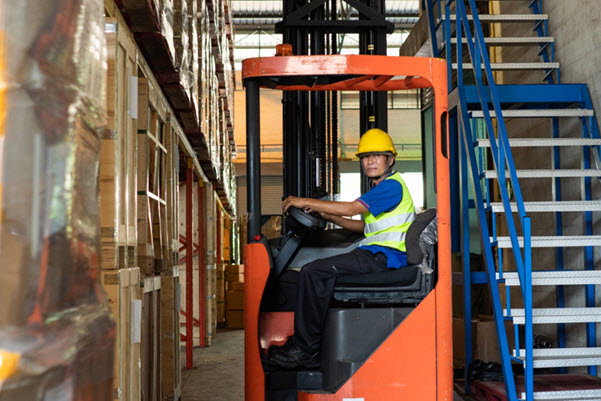
Modern forklift training goes beyond simple driving instructions to cover the latest safety regulations and industry best practices. It ensures that operators are fully aware of their responsibilities under the law, including the requirement for regular refresher courses every three years to stay current with changing technology and safety standards. By maintaining a fully certified workforce, businesses demonstrate their commitment to the highest levels of professional conduct and safety. This compliance provides a robust legal shield for the company and ensures that the operation is always aligned with the national standards of excellence that define Singapore’s industrial sector.
Early Fault Detection through Daily Pre-Operation Inspections
One of the most effective ways to reduce the cost of a material handling fleet is to identify mechanical problems before they lead to an operational failure. This proactive approach is a cornerstone of professional forklift training . Operators are taught to perform a systematic, daily pre-operation check that covers everything from tyre pressure and hydraulic fluid levels to the functionality of safety lights and warning alarms. This routine ensures that the machine is in a safe and reliable condition before it ever enters the warehouse floor.
When an operator is trained to recognise the early signs of a leaking seal, a frayed mast chain, or a failing battery cell, they can report the issue immediately. This allows the maintenance team to schedule a minor repair during an off-peak period, rather than being forced into an emergency repair during the middle of a busy shift. This early detection system is the most cost-effective form of maintenance available to a warehouse manager. It prevents the "cascading" damage that occurs when a small fault is allowed to persist, eventually leading to a major mechanical breakdown that takes the machine out of service for days or even weeks.
Building a Resilient Safety Culture for Long Term Success
The ultimate goal of any investment in forklift training is to foster a workplace culture where safety and efficiency are viewed as two sides of the same coin. A well-trained workforce is a more professional and motivated one; operators who feel confident in their skills take greater pride in their work and show more care for the equipment they use. This shift in mindset reduces the general chaos of a busy warehouse floor, creating a calm and orderly environment where pedestrians and machinery can interact safely and predictably.
A resilient safety culture is a powerful competitive advantage. It results in fewer lost-time injuries, lower insurance premiums, and a significantly higher reputation for reliability among clients and partners. In a global logistics hub like Singapore, where business continuity is the primary metric for success, the stability provided by a professionally trained team is invaluable. By investing in the human element of the fleet, businesses ensure that their material handling operations are not just productive today but are equipped to handle the challenges and opportunities of the future with confidence and precision.
Read another Article: The Ultimate Business Case for High Performance Reach Truck and Forklift Singapore Fleet Solutions