
Orthodontic Choices: Teen Aligners vs Braces
Entering adolescence brings numerous physical changes, and dental alignment is a common focus for both health and self-image. For a considerable number of teenagers, correcting a misaligned smile is a major step that positively influences their functional bite and personal confidence. As families in Singapore explore their orthodontic treatment options, the discussion frequently centres on comparing traditional fixed hardware with modern removable clear trays. Understanding the structural differences, lifestyle impacts, and daily commitments tied to each system is a necessary part of the journey. This guide delivers a detailed overview of these two main orthodontic pathways, supplying parents and teenagers with the foundational knowledge required to navigate their options.
Key Takeaways:
- Thorough clinical diagnostics must precede any treatment decision.
- Fixed appliances deliver continuous pressure for steady tooth shifting.
- Removable aligners offer aesthetic privacy and zero dietary limits.
- Strict compliance with tray wear is necessary to avoid treatment delays.
- A long-term retention plan is required to maintain the aligned teeth.
The Initial Orthodontic Assessment
The journey to a straighter smile begins with a meticulous clinical evaluation. When families choose to address a teenager's dental alignment, arranging a formal assessment is the crucial starting point. During this visit, a dental professional conducts a detailed examination of the oral cavity, paying close attention to bite function, jaw synchronisation, and the specific positioning of individual teeth. To acquire a comprehensive view of the supporting bone structure, the clinician will take digital photographs, panoramic X-rays, and highly accurate three-dimensional scans of the dental arches.
These diagnostic records are indispensable because they reveal underlying issues that remain invisible during a routine visual check, such as impacted teeth, unusual root angles, or variations in bone density. Following the visual and digital assessment, the practitioner explains the biological mechanisms of tooth movement. They will then recommend the appliance system that is clinically appropriate for the patient's unique anatomical presentation, ensuring the proposed plan aligns with the functional requirements of the teenager's developing jaw.
How Traditional Braces Function
Traditional fixed braces possess a long-standing track record of producing reliable outcomes, especially when dealing with severe alignment complications and complex bite issues. This approach involves bonding small, precisely manufactured brackets to the anterior surface of each tooth using a specialised dental cement. A designated archwire is subsequently threaded through the slots of these brackets and anchored securely using minute elastic ligatures. The fundamental principle driving this system is the steady delivery of continuous, mild tension.
As the resilient wire strives to return to its original manufactured arc, it places force upon the teeth, stimulating the surrounding jawbone to undergo a natural remodelling process. The primary advantage of this system for a busy teenager is its unrelenting operation. Because the hardware remains permanently affixed for the duration of the programme, it does not depend on the patient remembering to insert an appliance, thereby ensuring steady progress irrespective of the individual's daily academic or social routine.
The Mechanics of Clear Aligners
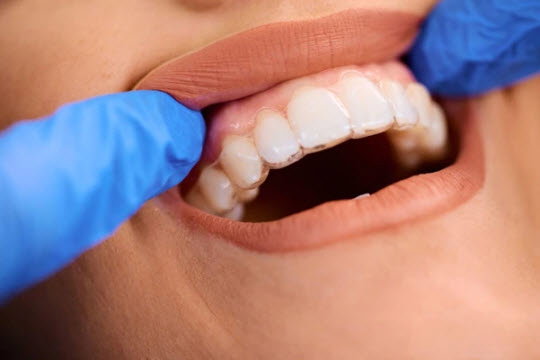
In recent years, clear aligner therapy has gained immense traction as a viable alternative to traditional fixed brackets, relying heavily on advanced computer-aided design and manufacturing. Rather than utilising metal components, this modern system employs a sequenced series of custom-made, transparent plastic trays. Each successive tray features slight modifications from the previous one, deliberately designed to guide the teeth incrementally towards their prescribed final destinations. The patient is instructed to wear a single set of these trays for a specified duration, normally one to two weeks, before graduating to the subsequent set.
The aesthetic subtlety of clear aligners serves as a massive appeal for appearance-conscious adolescents. The trays remain virtually undetectable during normal conversation, permitting students to engage in social and academic activities without feeling self-conscious. Furthermore, since the trays are taken out during meals, teenagers experience zero dietary boundaries; they are free to consume crunchy or chewy items that would otherwise compromise traditional metal brackets. This flexibility, however, requires the discipline to wear the trays for twenty-two hours daily.
Navigating Daily Oral Hygiene
Sustaining an exceptional standard of oral hygiene is a strict requirement during any orthodontic regimen to stave off permanent enamel decalcification and dental decay. Fixed braces inherently introduce a degree of difficulty to the daily brushing ritual. The intricate network of brackets and wires creates numerous tiny crevices where food particles and bacterial plaque can effortlessly accumulate. Teenagers are required to adopt an intensive cleaning protocol, utilising specialised instruments like interdental brushes and floss threaders to clean thoroughly around the hardware and protect their periodontal health.
Clear aligners offer a decidedly simpler pathway for maintaining oral cleanliness. Given that the teenager extracts the appliance entirely prior to eating and cleaning, they retain the ability to brush and floss their teeth exactly as they did before initiating treatment. This unhindered access lowers the probability of plaque retention and subsequent gum inflammation. However, the aligner trays themselves demand conscientious daily cleaning using a soft-bristled toothbrush and cool water to prevent bacterial buildup and preserve their clear appearance.
Treatment Timelines and Visits
The overall duration of an orthodontic intervention relies entirely on the severity of the initial dental presentation and the biological responsiveness of the individual patient. While certain minor cosmetic tweaks might conclude in less than a year, a comprehensive treatment strategy to rectify bite alignment usually stretches from eighteen months up to three years. Throughout this period, the teenager is obligated to attend scheduled review appointments every four to eight weeks. These frequent evaluations are vital to ensure the biological response is aligning with the projected treatment path.
For individuals undergoing treatment with fixed braces, these clinic visits allow the dental practitioner to monitor the movement, replace the elastic ligatures, and upgrade to thicker archwires to sustain the required tension. For patients utilising clear aligners, these check-ups confirm that the teeth are tracking accurately in accordance with the digital simulation and allow the clinic to distribute the next batches of trays. Consistent attendance at these appointments keeps the treatment schedule on track and prevents unnecessary prolongations of the active phase.
Planning the Orthodontic Budget
Investing in a teenager's dental alignment demands prudent and informed financial preparation from the family. The overall expenditure for orthodontic care in Singapore varies with the selected technology, the anticipated programme length, and the specific clinical demands of the individual case. Traditional metal braces generally offer a very approachable price point for numerous families, rendering them a highly practical selection for extensive dental corrections. Clear aligner systems frequently necessitate a higher financial outlay owing to the sophisticated software planning, associated licensing fees, and proprietary manufacturing processes involved.
When engaging with a dental professional, parents must ensure they are provided with a transparent and exhaustive breakdown of all related costs. Selecting a dentist near Clementi allows local families to manage these financial and logistical aspects conveniently over the course of the treatment. A comprehensive fee structure should cover the initial diagnostic records, the active orthodontic appliances, all routine adjustment appointments, and the retention devices issued at the conclusion of the programme, allowing families to budget accurately.
The Essential Phase of Retention
The active phase involving the movement of teeth represents merely the initial chapter of the orthodontic journey; safeguarding those hard-earned results is of equal importance. Once the braces are removed or the final aligner tray is discarded, the teeth remain highly vulnerable to drifting back towards their original, irregular orientations. This natural biological tendency, termed orthodontic relapse, is strictly managed through the diligent implementation of a retention protocol. Skipping this stage virtually guarantees that the teeth will eventually revert to their previous misaligned state.
Patients will be supplied with custom-fitted retainers, which might take the form of removable clear plastic trays, traditional wire-and-acrylic appliances, or a subtle wire bonded permanently to the lingual surface of the front teeth. The dental practitioner will explicitly outline a specific wear schedule, which typically involves full-time wear in the beginning stages, subsequently transitioning to nightly wear indefinitely. Adhering faithfully to this retention phase stands as the sole proven method to shield the significant investment of time and resources.
Making a Balanced Family Choice
Selecting the appropriate orthodontic route is a shared process that must balance clinical requirements with the teenager's daily lifestyle and level of maturity. Clear aligners present a highly attractive option for responsible youths who prioritise aesthetic discretion and dietary freedom, provided they possess the discipline to adhere to the rigorous daily wear schedule. In contrast, fixed braces present a sturdy, compliance-free mechanism that is highly capable of resolving complex bite issues and intricate tooth movements without relying on the patient's daily habits.
By engaging in frank and open discussions with a qualified dental professional, families can methodically weigh the respective advantages and responsibilities linked to each system. An exhaustive understanding of the daily maintenance demands, financial implications, and long-term retention requirements empowers parents and teenagers to make a well-informed and confident choice. Ultimately, the mutual objective is to secure a functional, healthy, and beautifully aligned smile that instils confidence throughout the teenager's transition into adulthood.
Read another Article: Is Your Child Ready for Braces? A Clementi Parent Guide
