
Maximising Logistics Space and Safety with Advanced Fleet Bundles
Establishing an efficient logistics hub in a high-cost environment like Singapore requires a meticulous approach to both space management and equipment procurement. Traditionally, businesses handled their warehouse procurement as a fragmented series of independent transactions, buying machinery, storage infrastructure, and operator certification from different vendors at different times. This disjointed method often results in unexpected budget increases, operational delays, and significant gaps in safety compliance that can harm a business. In 2026, the move towards integrated systems ensures that the relationship between physical storage and the machinery used to service it is perfectly linked, ensuring every movement is purposeful.
Choosing the right configuration ensures that inventory is managed in a way that supports overall growth and enhances the safety of the environment. As we move further into 2026, the transition towards sustainable power is also a key consideration, with lithium-ion technology becoming the standard for high-performance fleets. By adopting a holistic view of procurement, businesses can unlock hidden capacity and significantly reduce their long-term operational costs while protecting their most valuable assets. This all-inclusive guide aids businesses in making the best decisions when choosing the ideal storage racking system and mechanical handling units.
Key Takeaways:
- Bundled procurement deals can result in total cost savings of up to thirty per cent.
- Integrated training ensures immediate operational readiness and safety compliance.
- Reach trucks are essential for maximising vertical space in high-density facilities.
- Lithium-ion technology offers faster charging and a longer life cycle than lead-acid alternatives.
- Regular use of scrubbing machines preserves floor health and protects expensive fleet components.
The Strategic Value of Integrated Purchase Deals
Pursuing a complete purchase deal allows a business to achieve a level of financial predictability that is often missing in fragmented procurement models. The agreed price in such an arrangement typically encompasses the high-specification electric forklift or reach truck, the necessary operator certifications, and various essential support services. This clarity removes the administrative burden of managing multiple suppliers and helps prevent hidden fees from mounting, which is a common problem in complex logistics projects. By choosing a bundle, managers can avoid the budget overruns that often occur when disparate components are sourced individually.
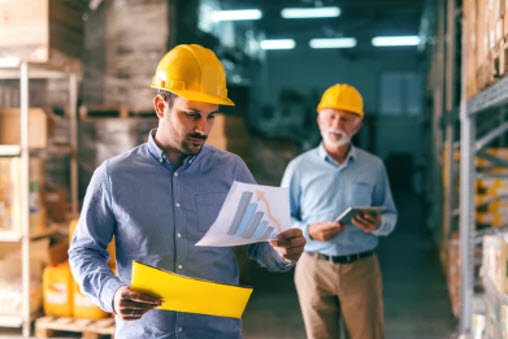
When items are sourced separately, businesses often pay multiple mark-ups and logistical fees that increase the total project spend significantly. A consolidated bundle from a trusted provider like UMW Singapore removes these extra layers of cost, passing the direct savings to the customer. These retained funds can then be reallocated to other vital improvements, such as purchasing a powered pallet truck for horizontal movement or industrial scrubbing machines to maintain floor health. Over the long run, investing in a certified forklift training package ensures that the machine and its operator are perfectly synchronised from day one.
Selecting Infrastructure to Suit Inventory Turnover
Selective pallet racking remains the most popular choice for modern storage facilities because it allows for direct access to every single pallet stored within the system. This configuration involves vertical beams that support pallets while leaving adequate room for machinery to navigate between the rows. Because each item is immediately reachable, this system is particularly suited for warehouses that handle a wide variety of goods and require frequent stock retrieval. While it requires a lower initial financial investment compared to complex setups, it necessitates more aisle space, resulting in lower overall storage density.
For operations that manage large quantities of identical products or seasonal stock, drive-in systems offer a way to significantly increase density. In these setups, the forklift directly moves into the rack structure to deposit or retrieve loads, which eliminates the need for numerous access aisles. Drive-in racking is designed to be accessed from one side only, following a first-in, last-out principle, while drive-through racking can be accessed from both sides for first-in, first-out movement. Although they maximise density, these systems offer limited access to specific pallets and require machinery that can fit safely within the narrow racking aisles.
Advancing Fleet Productivity with Lithium Technology
Technological advancements have introduced lithium-ion forklifts, which offer a lower total cost of ownership and are virtually maintenance-free. These units support fast charging, with a full charge time of 1.5 to 2.5 hours, compared to the 8 to 10 hours required for traditional lead-acid batteries. Furthermore, lithium-ion batteries provide a significantly longer life cycle of 3500 charges, whereas lead-acid batteries typically offer only 1200 cycles. Choosing such sustainable power solutions contributes to higher productivity and easier long-term maintenance in high-intensity warehouse environments.
Modern lithium-ion machines eliminate the need for battery swapping during multiple shifts and reduce the requirement for dedicated maintenance personnel. These units provide quiet, zero-emission performance that is ideal for indoor warehouse environments where air quality is a priority. Beyond the primary lifting machinery, facility managers should also look at their secondary equipment needs for horizontal transport. Whether the requirement is for a nimble electric pallet jack or a robust powered pallet truck, specifying lithium-ion power ensures a longer life cycle and a safer, cleaner environment for the workforce.
Specialist Solutions for Bulky and Vertical Challenges
Cantilever racking is distinguished by its unique design featuring horizontal arms that extend outwards from a central vertical column, specifically designed for long and bulky articles. Items such as heavy steel beams, industrial lumber, or long pipes that cannot fit into standard pallet racks find an ideal home in this configuration. The adjustment of the arms makes it possible for items of different lengths to be stored, providing high versatility for manufacturing facilities and lumber yards. However, facility managers must recognise that this post-free structure requires wide aisles for safe forklift access.
In the land-scarce context of Singapore, warehouses often capitalise on limited footprints by extending their storage racking vertically. Reach trucks are indispensable assets for these operations because they are engineered to navigate narrow aisles while reaching significant heights to access pallets. For businesses lacking ground-floor area, mezzanine racking offers a way to create an entirely new level of operational space above the existing floor. This vertical strategy allows for optimal space utilisation without requiring a larger building footprint, which is a significant advantage for e-commerce fulfilment centres.
Legal Compliance and Professional Workforce Safety
In the Singaporean regulatory landscape, operator education is not a luxury or a discretionary add-on; it is a fundamental safety and legal requirement. Integrating a certified forklift training package with the purchase contract is the most efficient way to ensure the business meets all its legal obligations. This proactive approach ensures that the moment a new electric vehicle is delivered, a certified and capable team is already in place to operate it safely. Education provided by the equipment manufacturer is inherently practical, as it covers the unique controls and safety nuances of the actual machines.
Properly educated operators are significantly less likely to be involved in accidents that result in injury, damage to new equipment, or costly harm to storage racking and inventory. The resulting certification is a recognised industry credential that enhances the safety profile of the entire company, potentially leading to more favourable insurance premiums. Fostering a culture of professionalism and care extends the lifespan of the entire material handling fleet and protects valuable company assets. When workers are trained to respect weight limitations and use anti-tip mechanisms correctly, the likelihood of serious industrial accidents is greatly reduced.
Long-Term Growth through Strategic Vendor Partnerships
Selecting a bundled solution is more than a simple financial transaction; it represents the beginning of a strategic partnership. A provider like Sime UMW or UMW Equipment & Engineering Pte Ltd offers a level of continuity that disparate suppliers cannot match. This relationship provides a single point of contact for service, maintenance, and future training needs, from your initial powered pallet truck to your entire fleet. This streamlined support is invaluable for maintaining uptime and planning for future capital expenditure across an entire warehouse ecosystem.
Such partnerships also play a role in supporting local industry growth and opening up UMW career development pathways for the workforce. A trusted partner acts as an advisor, helping the business plan for future expansion, such as when to extend your storage racking or integrate specialised scrubbing machines. By aligning the specific operational goals of the warehouse with the deep expertise of the supplier, managers can build a logistics ecosystem that is resilient and scalable. This collaborative approach ensures that the business remains agile and ready for whatever challenges 2026 may bring.
FAQs
1. How much can a business save by bundling forklifts and training? By opting for an integrated bundle rather than sourcing components separately, businesses in Singapore can save up to thirty per cent on their total project costs.
2. Is operator training a legal requirement in Singapore? Yes, forklift training Singapore is a mandatory safety and legal requirement, making it essential to have certified staff before machinery is used.
3. Why are reach trucks popular for Singaporean warehouses? Reach trucks are ideal because they are designed to operate efficiently in narrow aisles and reach significant heights, which is vital for vertical space optimisation.
4. How does lithium-ion technology compare to lead-acid batteries? Lithium-ion batteries offer fast charging in 1.5 to 2.5 hours and a longer life cycle of 3500 charges, compared to 8 to 10 hours and 1200 cycles for lead-acid units.
5. What is the benefit of using a mezzanine racking system? Mezzanine racking allows for vertical expansion by adding an elevated platform above the floor, maximising space without increasing the building footprint.
Read another Article: Strategic Guide to Warehouse Space and Fleet Optimisation