
How Professional Energy Audits Improve Your Living Space
For many residents in Singapore, the home is more than a place to sleep; it is a workspace, a study area for children, and a sanctuary from the city’s fast pace. Yet despite careful interior design, some rooms still feel heavy, or certain corners of a flat never seem to attract positive activity. This is not a matter of imagination. The arrangement of furniture, the direction a property faces, and even the colours on a wall can influence how energy moves through a room. A growing number of households are turning to professional advice to understand these influences. Engaging experienced consultants who offer feng shui services in Singapore provides a structured way to assess a property’s energy map and make targeted adjustments that support better sleep, clearer thinking, and more harmonious family interactions.
Key Takeaways:
- A professional energy audit starts with an accurate compass reading of your home’s facing direction.
- Feng shui services in Singapore typically include a detailed floor plan analysis and personalised report.
- The main door, kitchen, and master bedroom are the three most influential areas in any home.
- Bazi, or personal destiny charting, helps tailor recommendations to each family member.
- Annual energy shifts mean that a one‑time adjustment may need a yearly check‑up to remain effective.
What You Can Expect from a Professional Consultation
Many people are unsure what actually happens during a professional consultation. The process usually begins with you providing a copy of your floor plan, the birth dates and times of everyone living in the home, and the property’s address. The consultant then visits the site to take precise directional readings using a specialised compass. In a high‑rise city like Singapore, where steel frames and electronic interference are common, this step is essential. A reading taken with a standard mobile phone compass can be off by ten degrees or more, which is enough to place a room in a completely different energy sector according to classical calculations.
Once the data is collected, the consultant analyses the home’s energy blueprint. They look at how energy enters through the main door, circulates through the living areas, and rests in the bedrooms. They also assess external features such as nearby buildings, roads, and water bodies. The outcome is a written report that includes a marked‑up floor plan, practical suggestions for furniture placement, colour choices, and sometimes recommendations for small objects to balance specific sectors. Reputable feng shui services in Singapore also include a follow‑up briefing to explain the findings in plain language. This ensures that you understand not just what to do, but why each recommendation supports your household’s well‑being.
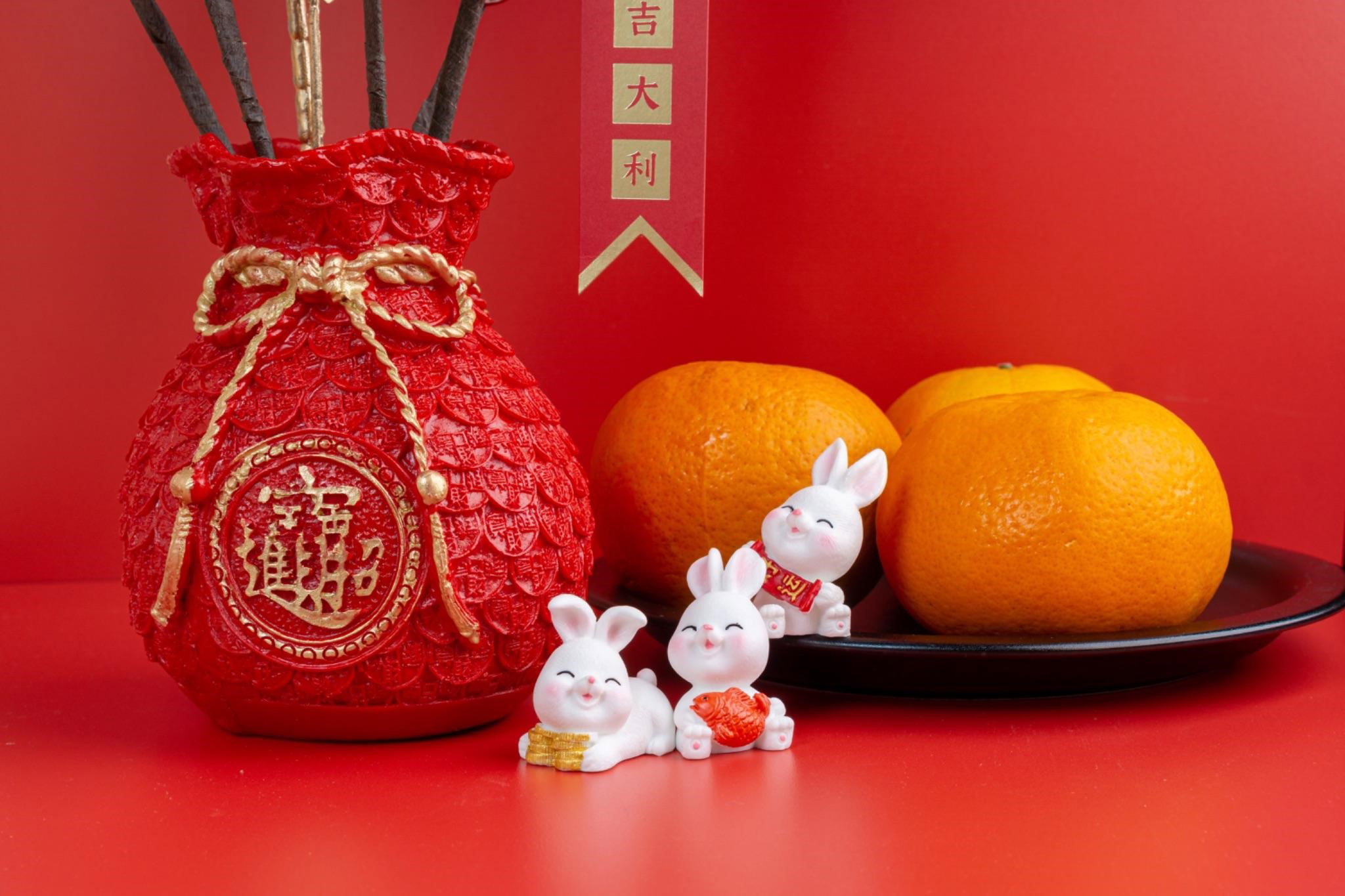
The Main Door – Gateway to Your Home’s Energy
The main door is often described as the mouth of energy. It is the primary point through which fresh qi enters your living space. If this area is blocked by shoes, umbrellas, or a large piece of furniture, the quality of energy flowing inside is diminished. A clear, well‑lit, and inviting entrance sets a positive tone for the entire home. During a consultation, the practitioner will check that the door opens fully without obstruction. They will also note any sharp corners, pillars, or stairs directly facing the door, as these can direct harsh energy into the home. A simple screen, a plant, or a small decorative object can often soften such influences.
Beyond the physical condition of the door, its direction matters. The facing direction of a property determines how the annual energy stars affect different rooms. For example, a home that faces south may receive a different set of influences than one that faces east. A professional using feng shui services in Singapore will calculate these variables and advise on the best colours for the door itself. A red door, often thought to be universally lucky, may not suit every facing direction. In some cases, a dark blue or brown door may be more supportive. This level of precision is what separates a professional audit from generic online advice.
The Kitchen and Stove – Nourishment and Wealth
In classical practice, the kitchen represents both nourishment and financial prosperity. The stove, in particular, is considered a powerful symbol of the family’s health and wealth. Its placement, condition, and the direction it faces are all important. Ideally, the stove should be placed against a solid wall, not under a window, and should not be directly visible from the main door. A stove that is visible from the entrance can symbolise wealth leaving the home. Also, the stove should not be placed next to a sink or a refrigerator, as this creates a clash between fire and water elements that can lead to family disagreements or health issues.
A professional assessment of the kitchen goes beyond the stove. The consultant will look at the position of the refrigerator, the storage of dry goods, and the general cleanliness of the area. Cluttered countertops and expired food in the pantry are seen as stagnant energy that can hold back financial progress. Simple changes, such as organising the spice rack, keeping the stove burners clean, and adding a small ceramic bowl of sea salt in a corner, are common recommendations. These adjustments are part of why comprehensive feng shui services in Singapore are valued by homeowners who want practical, actionable steps rather than abstract theories.
The Master Bedroom – Rest and Relationships
The master bedroom is where you recharge after a long day. Its arrangement has a direct effect on your sleep quality, your emotional resilience, and your connection with a partner. The most important feature is the bed. It should be placed against a solid wall, with a clear view of the bedroom door, but not directly in line with it. This is known as the command position. A bed that is directly in line with the door can make you feel exposed and disrupt restful sleep. Also, avoid placing the bed under a window or under a ceiling beam, as both can create a sense of pressure.
Mirrors in the bedroom require careful consideration. A mirror facing the bed is generally not recommended because it can reflect energy back towards you while you sleep, potentially leading to restlessness or disturbed dreams. If your wardrobe has mirrored doors, consider covering them at night or repositioning the bed so that you are not reflected. The colours in the bedroom also matter. Soft, calming tones like beige, pale blue, or lavender are preferable to bright reds or oranges, which can overstimulate. Many professional feng shui services in Singapore include a detailed bedroom assessment as a standard part of their consultation, because this room has such a strong influence on overall household harmony.
Personalising Your Space with Bazi Analysis
Generic feng shui advice treats every home the same, but your personal energy profile is unique. This is where Bazi, or the Four Pillars of Destiny, becomes a valuable tool. Your Bazi chart is derived from your date and time of birth. It reveals the balance of the five elements (wood, fire, earth, metal, water) in your life and indicates which types of energy will be most supportive for you at different ages. A professional consultant can integrate this personal data with the energy map of your home to provide recommendations that are specific to you.
For example, if your Bazi chart shows a shortage of the metal element, the consultant might advise you to spend more time in the west sector of your home, or to introduce white or metallic colours in your workspace. If you have an excess of fire, they may recommend calming earth tones and avoiding placing your desk in a south‑facing room with strong afternoon sun. This level of personalisation is a key reason why many residents seek out feng shui services in Singapore that include Bazi reading. It moves beyond one‑size‑fits‑all advice and creates an environment that actively supports your personal goals, whether those relate to career progress, family harmony, or long‑term health.
FAQs
1. How do I choose between different feng shui services in Singapore?
Look for consultants who provide a clear methodology, use a luopan compass, and include Bazi analysis. Ask for a sample report to see if their recommendations are practical and tailored, not generic.
2. Can feng shui help if I live in a rented flat?
Yes. Most adjustments do not require structural changes. You can reposition furniture, add plants, change light bulbs, and use removable colour accents. A consultation for a rental property focuses on these flexible solutions.
3. How often should I update my home’s energy map?
At least once a year, because the annual energy stars move to different sectors. A quick review every January, or before the lunar new year, keeps your home aligned with current influences.
4. Do I need to believe in feng shui for it to work?
No. The principles are based on observable patterns of energy flow, light, and spatial psychology. Many clients approach it as an environmental science rather than a belief system.
5. What is the single most effective change for a new home?
Start with the main door. Ensure it is clean, well‑lit, and unobstructed. Then place your bed in a command position. These two changes alone can noticeably improve your experience of a new property.
Read another Article: Maximising Prosperity with Office Feng Shui Singapore