
Family Dental Wellness and Emergency Support in Clementi
Maintaining a healthy oral environment is a significant factor in your body's overall physical stability. When a toothache develops, it often signals that the biological balance within your mouth has been disrupted, requiring prompt clinical attention. Residents in the western region of Singapore frequently rely on a dentist at Clementi to manage these sudden challenges and maintain long-term functional comfort. By understanding the symptoms of distress and the available pathways for treatment, you can protect your dental integrity and ensure a resilient smile for many years.
Finding a reliable practitioner within your community makes it much easier to integrate professional care into a busy family schedule. A dentist at Clementi provides a central point for managing various oral health milestones, from a child's first brace evaluation to the resolution of acute adult pain. Modern facilities focus on patient education and transparent procedures to help you approach your care with confidence. Prioritising these check-ups ensures that minor concerns are identified before they develop into complex physical complications.
Key Takeaways:
- Pediatric orthodontic assessments are advised around age seven.
- Salt water rinses and cold compresses help manage temporary pain.
- Red flags like fever or pus indicate a need for immediate care.
- Professional scaling every six months is necessary to remove tartar.
- Transparent written estimates assist in managing family healthcare budgets.
Responding to Acute Aches and Clinical Crises
Throbbing sensations or sharp pain while chewing often indicate a breakdown in the tooth structure or a local infection. An emergency dentist in Clementi can provide a thorough examination to determine if the discomfort stems from an abscess, a cracked tooth, or a lost filling. While some minor irritations can be managed for a short duration at home, persistent pain that lasts beyond twenty-four hours requires immediate professional stabilisation. Same-day appointments are often available to ensure that patients receive care the moment it is needed.
While waiting for your clinical consultation, you can find temporary relief by using specific home measures. Rinsing with warm salt water helps reduce swelling and cleans the affected area, while a cold compress on the outside of the cheek numbs the pain. It is also advisable to sleep with your head in a raised position to prevent increased blood circulation from exacerbating a throbbing sensation. If you experience systemic signs such as fever, chills, or a metallic taste on the tongue, you must seek urgent attention right away.
Guiding Juvenile Dental Development and Alignment
Children maturing at individual rates still follow a predictable biological pattern of dental growth. Specialists advise that an initial orthodontic assessment should be carried out by age seven, as this marks the emergence of adult molars and front teeth. A dentist around Clementi can monitor bite patterns and alignment to identify space concerns early. This baseline screening is valuable even if braces are not immediately necessary, as it allows for interceptive care while the jawbone is still maturing and pliable.
Parents are frequently the first to notice subtle shifts, such as overcrowding or unusually large gaps between the teeth. Functional signs like difficulty biting food evenly or persistent mouth breathing during sleep also suggest that a clinical review is required. Modern clinics offer various options for younger patients, including durable metal braces and ceramic versions that match the natural colour of the teeth. Early planning for these treatments helps households forecast future care and manage their healthcare budgets effectively.
Understanding Procedural Fees and Financial Pathways
Navigating the financial aspects of oral healthcare in Singapore is a practical priority for many households, especially when a procedure is unplanned. For instance, a tooth extraction cost Singapore residents expect for a tooth extraction depends on whether the removal is a simple process for a visible tooth or a surgical procedure for an impacted structure. A dentist at Clementi will provide a clear estimate after a thorough physical examination and digital imaging. This transparency ensures that you understand the clinical necessity of each step before any restorative work begins.
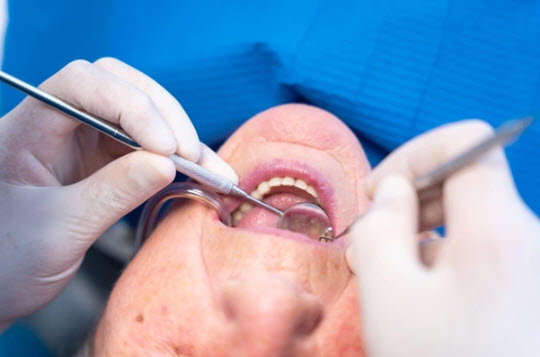
Trust is built through a transparent fee structure from a dentist at Clementi, which involves receiving a detailed written estimate. This document should itemise costs for diagnostics, laboratory fees, and the procedures themselves. Many facilities also discuss available payment pathways, such as instalment plans or the use of MediSave for approved surgical interventions. Accessing this information early transforms oral care expenses into a known and manageable part of your general healthcare planning.
Biological Factors in Gum Disease and Prevention
Gum disease often begins quietly as gingivitis, characterised by redness, bleeding, and slight sensitivity during brushing. If this early inflammatory response is left unaddressed, it can advance into periodontitis, where the gums pull away from the teeth and form pockets. This progression can eventually lead to the recession of the bone supporting your teeth, increasing the risk of mobility or tooth loss. Infections in the mouth may even spread beyond the oral cavity, potentially increasing risks to your broader physical well-being.
Core prevention habits performed at home are the first line of defence against bacterial buildup. Brushing twice a day with a soft brush held at a 45-degree angle to the gums is effective for removing plaque. Daily interdental cleaning, whether using floss, water flossers, or interdental brushes, is necessary to reach stubborn debris between the teeth. Lifestyle factors such as hydration and a balanced diet rich in vitamin C and calcium further support the resilience of your oral tissues.
Clinical Cleaning and Deep Root Planing Procedures
Even the most diligent home care cannot remove hardened tartar that has mineralised on the tooth surface. Professional scaling and polishing are required every six months to clear these deposits, especially from areas below the gumline. A dentist at Clementi will assess your gum depth and bone support to determine the appropriate cleaning frequency for your specific needs. These sessions also involve polishing to smooth the enamel, making it harder for new bacteria to adhere to the tooth.
If early signs of periodontal damage are spotted, a deeper level of intervention known as scaling and root planing may be recommended. This procedure involves cleaning deeply under the gums and smoothing the roots to encourage the soft tissues to reattach securely. The process is usually completed in stages and often includes the use of numbing to ensure the patient remains comfortable. Recovery after a deep cleaning is generally smooth and can effectively reverse early bone and gum damage.
FAQs
1. What are the specific red flags that indicate a dental emergency? Warning signs that require immediate attention include persistent throbbing pain, visible facial or gum swelling, fever, chills, and a metallic taste or pus in the mouth.
2. How can I manage a severe toothache at home while waiting for an appointment? You can achieve temporary relief by rinsing with warm salt water, applying a cold compress to the cheek, taking over-the-counter pain medication, and sleeping with your head in a raised position.
3. What is the recommended age for a child to have their first orthodontic screening? Specialists typically advise that children have their initial orthodontic evaluation around seven years of age, as this is when permanent teeth begin to emerge, and bite patterns can be monitored.
4. What are the common types of braces available for children and adolescents? Modern clinics provide several options, including durable metal braces, ceramic braces that match the natural tooth colour, and transparent aligners for specific mild cases.
5. How can I prevent the development of toothaches and gum disease in the future? Maintaining health involves brushing and flossing daily, attending professional check-ups and cleanings every six months, reducing sugar intake, and wearing a mouthguard if you grind your teeth.
Read another Article: Is My Child Ready for Braces? Clementi Parents Guide
