
Expert Protocols for Maintaining a Diverse Mineral Inventory
The long-term conservation of a geological collection requires a disciplined approach to environmental management and physical handling. As we move further into 2026, the sophisticated collector understands that the journey does not end with a purchase but continues through meticulous stewardship. Whether your gallery consists of terrestrial gemstones or rare tektites, the goal is to halt the natural processes of degradation that can occur when minerals are removed from their original subterranean environments. By implementing professional-grade preservation techniques, you ensure that the vibrant colours, structural clarity, and surface lustres of your specimens remain unchanged by the passage of time.
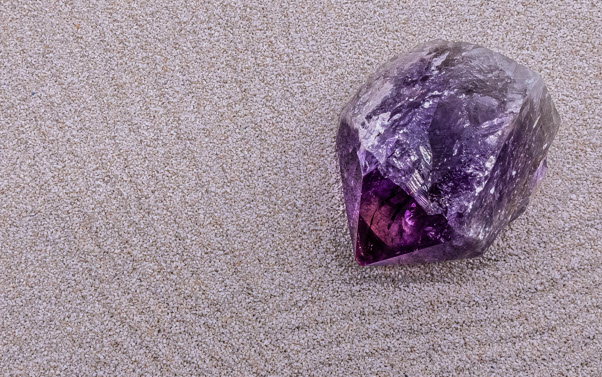
For many enthusiasts, the process of building a resilient collection begins by consulting with a knowledgeable crystals wholesaler to understand the specific chemical vulnerabilities of different mineral groups. Different stones react uniquely to light, moisture, and temperature; what protects a diamond may inadvertently damage a delicate desert rose or an untreated opal. Developing a customised preservation plan for each category of stone in your inventory is the hallmark of a serious collector. This proactive methodology not only safeguards the aesthetic beauty of your home display but also protects the long-term financial and scientific value of your acquisitions.
Key Takeaways:
- Use acid-free materials for all storage to prevent chemical etching of stone surfaces.
- Consulting a crystals wholesaler helps identify which stones are sensitive to ultrasonic cleaning.
- Maintain a stable room temperature to avoid thermal shock in highly included crystals.
- Keep detailed records of treatments and origins to preserve the provenance of your collection.
- Use vibration-dampening mounts for large specimens to prevent structural micro-fractures.
Technical Standards for Display and Atmospheric Safety
The interaction between a mineral's surface and the local atmosphere is a primary concern for any long-term preservation strategy. Many collectors source their primary inventory from a reliable crystals wholesaler, but often overlook the importance of a stable microclimate once the stones are home. In humid environments, certain minerals can undergo subtle chemical changes or even hydration, which may dull their natural brilliance over time. Utilising sealed display cases equipped with high-quality silica gel or electronic dehumidifiers can provide the necessary atmospheric stability required to keep your most sensitive specimens in museum-quality condition.
Light management is equally vital, as ultraviolet radiation is one of the most common causes of irreversible colour fading in natural minerals. A professional crystals wholesaler will often advise against placing vibrant stones like fluorite or amethyst in areas that receive direct afternoon sun. To counter this, many modern galleries utilise specialised UV-blocking films on windows or invest in conservation-grade acrylic for their display boxes. By carefully selecting the placement and lighting of your collection, you can enjoy the visual splendour of your minerals while ensuring their saturated hues remain protected from the bleaching effects of high-energy light waves.
Physical Handling and Structural Integrity Management
The risk of mechanical damage is perhaps the most immediate threat to the safety of a curated mineral gallery. When managing a diverse range of specimens, it is essential to remember that many natural crystals are incredibly brittle and can shatter if subjected to even minor impacts. Professional curators often use specialised display putty or custom-fitted acrylic stands to ensure that tall or top-heavy specimens remain securely upright. This prevents accidental falls and ensures that the delicate terminations and edges of the crystals are not chipped or abraded by contact with hard shelving surfaces or other nearby stones.
Handling techniques should also be standardised to prevent the transfer of skin oils and acids onto the mineral surfaces. For highly porous stones or those with metallic lustres, wearing lint-free cotton gloves is a standard practice recommended by any experienced crystals wholesaler. These oils can attract dust and, over time, may even lead to surface staining or oxidation that is difficult to remove without professional restoration. By treating each specimen with the reverence of a museum piece, you maintain the pristine "as-found" condition that defines a high-quality collection and ensures its longevity through the decades.
Cleaning Protocols and Chemical Preservation Tactics
Maintaining the visual clarity of a mineral collection requires periodic cleaning, yet this task must be performed with extreme caution. Many collectors inadvertently damage their specimens by using tap water, which can leave behind mineral deposits or "water spots" that etch the surface of softer stones. A trusted crystals wholesaler will typically recommend using only distilled water and a soft-bristled artist’s brush for removing surface grime. It is crucial to identify which minerals are water-soluble—such as halite or certain borates—before any liquid cleaning is attempted, as these can dissolve or lose their lustre instantly upon contact with moisture.
For specimens that cannot be safely washed, compressed air and microfibre cloths offer a dry alternative for removing dust without scratching the facets. It is also important to avoid the use of household detergents or chemical cleaners, as these can react with the mineral's chemical components and cause permanent discolouration. When purchasing from a reputable crystals wholesaler, always ask for a specific care sheet that outlines the chemical sensitivities of your new acquisition. By sticking to minimal-intervention cleaning methods, you preserve the natural integrity of the stone and prevent the build-up of residues that can cloud the mineral’s transparency.
Documentation and the Preservation of Provenance
A collection’s history and documentation are just as important as its physical state when it comes to long-term value. Every time a new piece is added to your gallery, whether it is from a local shop or an international crystals wholesaler, all accompanying labels, receipts, and certificates of authenticity should be archived in a fireproof and waterproof file. This provenance provides a scientific and historical context for the specimen, documenting its journey from the mine to your home. A well-documented collection is significantly more valuable to researchers and future buyers, as it provides the necessary verification of the stone's locality and natural state.
In addition to physical paperwork, many modern collectors maintain a digital database that includes high-resolution photographs and detailed condition reports for each stone. This allows for a quick comparison over the years to see if any subtle changes, such as cracking or fading, have occurred. When consulting with your crystals wholesaler, you can share these digital records to get expert advice on whether a specific specimen requires a change in its storage environment. Maintaining this level of detail ensures that the story of your collection is preserved alongside the stones themselves, creating a lasting legacy that can be easily managed by future generations.
Preparing Your Collection for Long-Term Storage and Transit
There are times when a collection may need to be moved or placed in long-term storage, necessitating a different set of preservation priorities. During these periods, the focus shifts to maximum mechanical protection and the prevention of environmental fluctuations in an unmonitored space. Professional mineral packers often use a "double-boxing" technique, where individual specimens are wrapped in acid-free tissue and placed in a smaller box before being cushioned within a larger, sturdy shipping container. This layered approach absorbs shocks and prevents stones from shifting, which is the primary cause of damage during relocation or storage.
For those who regularly update their inventory through a crystals wholesaler, keeping the original shipping boxes and custom foam inserts can be a practical way to ensure safe future transport. It is also wise to include temperature and humidity indicator cards inside the storage crates to provide a record of the environment the stones were exposed to during their time away from display. By planning for these transitions with the same level of care as your daily display maintenance, you ensure that your collection survives the rigours of change. This commitment to every stage of a mineral's life in your care is what separates a casual hobbyist from a dedicated curator.
Read another Article: The Beginner’s Roadmap to Building an Authentic Crystal Collection
