
Ear Care for Children in Singapore: A Guide for Parents
Ear problems are a common reason for parents to bring their children to a doctor. Issues such as ear pain, hearing difficulties, and recurrent infections can affect a child's sleep, speech development, and overall quality of life. In Singapore, you have access to clinics that focus specifically on ear conditions, offering tests and treatments that are adapted for young patients. This article explains the range of ear problems that can affect children, what happens during a consultation, and how to decide when professional help is needed. A children ENT specialist is trained to manage ear conditions in young patients with care and patience.
Key Takeaways:
- Ear infections are common in children and often resolve on their own, but recurrent episodes may need specialist assessment.
- A children ENT specialist can evaluate whether ear problems are linked to adenoid enlargement, allergies, or Eustachian tube dysfunction.
- Diagnostic tests for children are adapted to be child-friendly and less intimidating.
- Early treatment of ear problems can prevent long-term effects on hearing and speech development.
- Parents should seek specialist advice if a child has persistent ear pain, hearing loss, or recurrent infections.
Recognising Ear Problems That Need Professional Attention
Ear discomfort in children can take many forms. A child may pull at their ear, become irritable, or have difficulty sleeping. Some children may not complain of pain but show signs of hearing difficulty, such as not responding to their name or turning up the volume on devices. These signs should not be ignored. A specialist can distinguish between simple wax blockage, middle ear fluid, or more complex issues. A children ENT specialist is particularly skilled at recognising how ear problems affect speech and learning.
Another concern is hearing loss that may not be obvious. Children with undiagnosed hearing problems may have delayed speech, poor concentration, or behavioural issues at school. A children ENT specialist can arrange for age-appropriate hearing tests to assess the degree of hearing loss. Early identification and treatment are key to preventing long-term developmental delays.
Common Ear Conditions in Children
Ear infections are among the most frequent conditions in young children. The middle ear space behind the eardrum can fill with fluid after a cold, and bacteria may grow there. Symptoms include earache, fever, and temporary hearing loss. Most infections clear on their own, but recurrent episodes may need further investigation. A children ENT specialist can examine the eardrum with a microscope and, if necessary, suggest small ventilation tubes (grommets) to keep the middle ear dry. The specialist will consider the child's age, development, and frequency of infections before recommending any procedure.
Another common condition is glue ear, where fluid remains in the middle ear even after the infection has cleared. This can affect hearing and, if persistent, may delay speech development. A children ENT specialist will monitor the condition and may recommend hearing aids, medical management, or surgery if the fluid does not resolve on its own. The goal is to ensure that hearing is normal during the critical years of language development.
Diagnostic Tools Used in a Children's ENT Clinic
Modern ENT clinics use equipment that is adapted for children. The otoscope is used to look into the ear canal, but a microscope offers a magnified, well-lit view of the eardrum. This is particularly useful for checking small perforations or for removing wax. Tympanometry is a quick, non-invasive test that measures how the eardrum moves when air pressure is changed. This test is usually well tolerated by children. A children ENT specialist will explain each step to the child and parent to reduce anxiety.
For hearing tests, play-based audiometry is often used for toddlers. The child is taught to respond to a sound by dropping a toy into a bucket or performing a simple action. This makes the test feel like a game. Older children can do standard audiometry with headphones. A children ENT specialist will choose the most appropriate test based on the child's age and cooperation level. Keeping a diary of when symptoms occur can be very helpful for the diagnosis.
Treatment Options for Paediatric Ear Conditions
Treatment depends on the underlying cause. For ear infections, many resolve without antibiotics, and careful observation is recommended. If antibiotics are needed, a course is usually prescribed. For recurrent infections or persistent fluid, a children ENT specialist may recommend grommet insertion. This is a short procedure under general anaesthesia where tiny tubes are placed in the eardrum to allow drainage. Most children recover quickly and experience fewer infections afterwards.
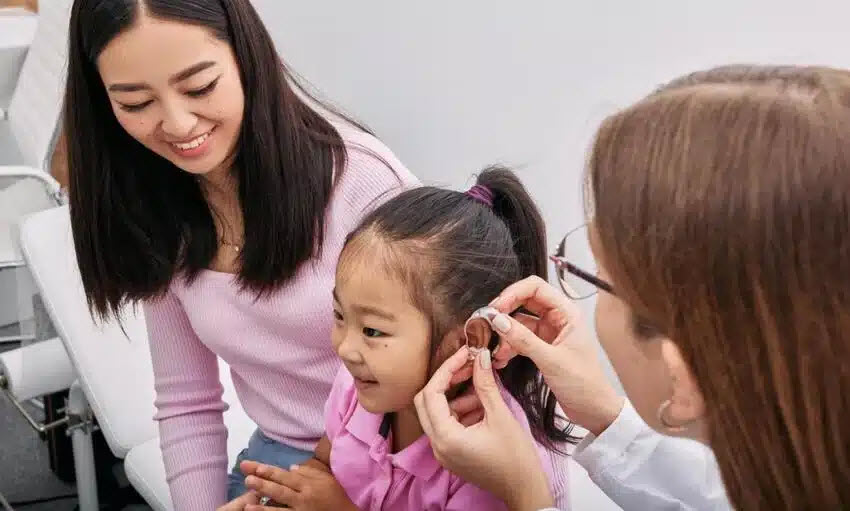
For children with hearing loss, a children ENT specialist may recommend hearing aids or other assistive devices. If the hearing loss is severe, a cochlear implant assessment may be arranged. The specialist will discuss all options with the family, explaining the benefits and risks of each approach. The aim is always to provide the most effective treatment with the least disruption to the child's daily life.
When to Seek Help and How to Prepare
Parents should consider seeing a children ENT specialist if their child has recurrent ear infections (more than three in six months), persistent fluid behind the eardrum lasting more than three months, or any concern about hearing or speech development. Also seek help if the child has balance problems, giddiness, or ear pain that does not improve. A children ENT specialist can provide a comprehensive assessment and guide the family on the best treatment options.
Before the appointment, parents should write down when the symptoms started, how often they occur, and any triggers they have noticed. Bring a list of any medications the child is taking and any previous hearing tests. It is also helpful to note whether the child has had any speech or developmental concerns. A children ENT specialist will use this information to focus the examination and ensure the child receives the most appropriate care.
Frequently Asked Questions
1. When should I see a children ENT specialist for my child's ear infection?
You should see a children ENT specialist if your child has recurrent ear infections (more than three in six months), fluid behind the eardrum lasting more than three months, or if there are concerns about hearing or speech development. Also seek specialist advice if the child has ear pain that does not improve with standard treatment.
2. Are grommets always necessary for children with recurrent ear infections?
No. Grommets are considered when infections are frequent or when fluid persists and causes hearing loss. A children ENT specialist will assess the child's history, age, and hearing status before recommending surgery. Many children outgrow ear infections without needing grommets.
3. Can ear problems affect my child's speech development?
Yes. Persistent hearing loss from middle ear fluid can affect a child's ability to hear speech sounds clearly, which may delay language development. A children ENT specialist can assess hearing and recommend treatment to prevent long-term effects on speech and learning.
4. Is it safe to fly with a child who has an ear infection?
Flying can increase ear pain because changes in cabin pressure put stress on the eardrum. If your child has an active infection, ask a doctor before flying. In some cases, using a decongestant nasal spray or giving pain relief before take-off and landing may help. A children ENT specialist can advise you on whether it is safe to fly.
5. What can I do at home to prevent ear infections in my child?
Reduce exposure to second-hand smoke, breastfeed if possible, keep vaccinations up to date (including flu and pneumococcal vaccines), and manage allergies. A children ENT specialist may also advise on avoiding bottle propping and using pacifiers sparingly. Good hand hygiene can also reduce the spread of infections.
Read another Article: Get Relief from Chronic Sore Throat with Specialist Care
