
Build Confidence with Kids' Taekwondo
Finding the right activity for your child in Singapore can feel like a challenge. You want something that keeps them active, teaches valuable life skills, and is genuinely enjoyable. Taekwondo has become a popular choice among parents for good reason. It offers a unique combination of physical fitness, mental discipline, and character development that few other activities can match. At OP Academy, children of all ages discover the joy of martial arts while building confidence that lasts a lifetime.
The benefits of Taekwondo extend far beyond the training mat. Children who practise this martial art often show improvements in their schoolwork, behaviour at home, and social interactions. The structured environment of a Taekwondo class Singapore teaches respect, focus, and perseverance in ways that children naturally absorb. Whether your child is energetic and outgoing or quiet and reserved, Taekwondo provides a supportive space for them to grow. This article explores the many advantages of enrolling your child in a quality Taekwondo programme.
Key Takeaways:
- Taekwondo improves children's physical fitness and coordination, and helps maintain a healthy weight through full-body workouts.
- The martial art builds mental discipline, confidence, and provides effective stress relief for young learners.
- Children develop social skills, including respect, teamwork, and leadership, through group training and peer interaction.
- OP Academy offers age-appropriate classes for children from 4 years old through to teenagers.
- Safety is prioritised through qualified instructors, proper equipment, and strict health protocols.
Physical Development and Fitness
The physical advantages of Taekwondo for children are extensive and well-documented. Each session provides a full-body workout that enhances cardiovascular health. The various movements involved – kicks, punches, blocks, and patterns – build muscle strength across the entire body. Children develop flexibility through the dynamic stretching incorporated into every class. Over time, their endurance increases significantly, allowing them to stay active for longer periods without fatigue. This improvement in overall fitness often leads to better performance in other sports and physical activities.
Coordination and balance are fundamental skills taught from the very first lesson. Taekwondo techniques require precise movements and controlled body positioning. As children practise these techniques, they develop better motor skills and spatial awareness. Many parents report that their children become more graceful and less clumsy after just a few months of training. These improvements in coordination can benefit children in other areas of their lives, from handwriting to playing musical instruments. The balance skills developed through Taekwondo also reduce the risk of injury during everyday activities.
Weight management is another significant benefit in today's environment where childhood obesity is a growing concern. Taekwondo offers a fun and engaging way for children to stay active and maintain a healthy weight. The high-energy workouts burn calories effectively while children are having so much fun they barely notice they are exercising. Unlike repetitive gym routines, each Taekwondo class is different, keeping children engaged and motivated. Regular practice encourages a healthy lifestyle that can continue into adulthood, setting the foundation for lifelong wellness.
Mental and Emotional Growth
The mental benefits of a Taekwondo class Singapore are perhaps even more valuable than the physical ones. Discipline is instilled from the very first lesson. Children learn to follow instructions promptly, respect their instructors, and adhere to the rules of the dojo. This discipline naturally extends to other areas of their lives, including schoolwork and home responsibilities. Many parents are surprised to see their children becoming more organised, completing homework without reminders, and helping with chores around the house.
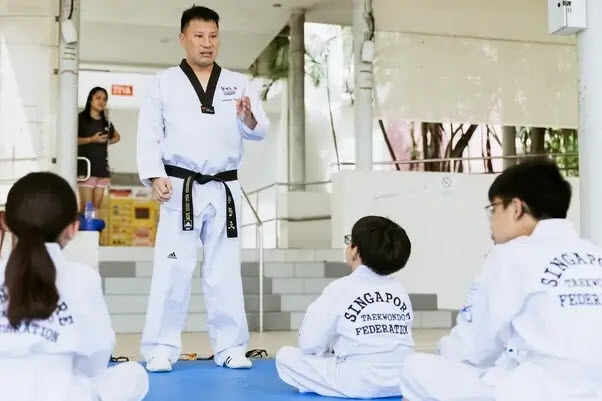
Confidence grows steadily as children progress through the belt system. Each promotion represents a tangible achievement that boosts self-esteem. The sense of accomplishment from mastering a difficult technique or breaking a board cannot be overstated. Children who struggle with shyness often find their voice through Taekwondo. They learn to speak up, demonstrate techniques in front of others, and take pride in their abilities. This newfound confidence often translates to better performance at school and more positive social interactions.
Stress relief is another crucial benefit for children navigating the pressures of school and social life. The physical activity in Taekwondo serves as an excellent outlet for stress and excess energy. The focus required during practice helps children clear their minds and reduce anxiety. The supportive environment of the dojo provides a sense of community and belonging. Children learn that it is okay to make mistakes and that perseverance leads to improvement. This resilience helps them handle academic pressures and social challenges with greater ease.
Social Skills and Character Building
Respect is a core principle of Taekwondo that permeates every aspect of training. Children learn to show respect for their peers, instructors, and themselves. This value is reinforced in every class through formal bows, attentive listening, and appropriate behaviour. Over time, respect becomes second nature, promoting a positive and respectful attitude in daily life. Parents often notice their children becoming more polite, using proper titles, and treating others with greater consideration.
While Taekwondo is an individual sport, many activities are performed in pairs or groups. This structure fosters a sense of teamwork and cooperation. Children learn to work together, support each other, and celebrate each other's successes. They discover that helping a training partner improve also enhances their own skills. The friendships formed in the dojo are often lasting, built on mutual respect and shared effort. For children who struggle to make friends in traditional school settings, Taekwondo provides a welcoming community.
Leadership opportunities naturally emerge as children advance in their training. Senior students are often given opportunities to lead warm-ups, demonstrate techniques, or assist with younger students. This helps develop leadership skills and a sense of responsibility. These experiences are invaluable in personal and academic growth, preparing children for future roles in school and society. The confidence gained from leadership experiences often leads to greater participation in school activities and community events.
Age-Appropriate Training
OP Academy understands that children of different ages have different needs and abilities. The Little Tigers programme for children aged 4-6 years focuses on basic movements, motor skills, and the fundamental values of Taekwondo. Classes at this level incorporate fun drills and games that develop coordination and listening skills. The emphasis is on building a positive association with physical activity and learning to follow instructions in a group setting.
The Juniors programme for children aged 7-12 years introduces more complex techniques, including combination kicks, patterns (poomsae), and basic self-defence. Physical training becomes more structured, with exercises designed to improve strength and endurance. Character building continues to be a focus, with lessons on confidence and perseverance. This age group also begins basic sparring in a controlled environment, learning timing, distance, and control.
The programme for teens aged 13 and above covers advanced techniques including high-level kicks, competition sparring, and competition preparation. Physical conditioning becomes more intense, with a focus on strength and agility. Leadership opportunities increase, with senior students often assisting in teaching younger classes. Mental toughness is developed through challenging drills and competition preparation, building resilience and focus.
Safety: A Top Priority
The safety of students is paramount at OP Academy. All instructors are certified professionals with extensive experience in teaching Taekwondo to children. They undergo rigorous training and regular assessments to ensure they are equipped with the latest knowledge and skills. Instructors are trained in first aid and child psychology, enabling them to handle any situation that arises during classes. This expertise ensures that your child receives high-quality instruction in a safe and nurturing environment.
The training environment itself is designed with safety in mind. Facilities are equipped with high-quality safety mats that provide a cushioned surface, minimising the risk of injury from falls or impacts. Protective gear such as helmets, shin guards, and mouthguards is provided for sparring sessions. The layout of the dojos is organised to prevent overcrowding, ensuring that each student has ample space to practise safely. Health protocols are strictly followed, with regular sanitisation of facilities and equipment.
Every class is closely supervised to ensure the safety of students. Instructors maintain a low student-to-teacher ratio, allowing them to give individual attention and closely monitor each child's progress and well-being. During more advanced or potentially risky activities such as sparring, additional instructors are present to provide extra oversight. This level of supervision helps prevent accidents and ensures that any issues can be addressed immediately. Health protocols, including temperature checks and sanitisation procedures, provide additional peace of mind.
Frequently Asked Questions
1. At what age can my child start Taekwondo?
Children can start as young as 4 years old in the Little Tigers programme. The classes are specially designed to develop basic motor skills and introduce the fundamental values of Taekwondo in a fun, engaging way. Some academies even offer programmes for children as young as 3.
2. What should my child wear to their first class?
Comfortable athletic wear such as a T-shirt and shorts or track pants is suitable for the first class. Your child will train barefoot. Once enrolled, you can purchase the official Taekwondo uniform (dobok) from the academy.
3. How often should my child attend classes?
We recommend attending at least two classes per week to see steady progress. For children aged 5-12, consistent attendance at two weekly classes builds discipline without overwhelming young learners. Some children choose to attend more frequently, especially those who are more advanced or preparing for competitions.
4. Is Taekwondo safe for young children?
Yes, when taught by qualified instructors in a proper environment. OP Academy places safety at the forefront of every class. All activities are age-appropriate, and full protective gear is used for any contact drills. Instructors are trained in first aid and child psychology.
5. Will my child become aggressive through Taekwondo?
No. Research shows martial arts training does not increase aggression. In fact, it reduces it while improving self-control. A 2025 study found martial arts participation helps youths regulate emotions and build confidence. Taekwondo teaches self-control, discipline, and respect for others. Children learn that martial arts techniques are for self-defence only and are taught to avoid physical confrontation whenever possible.
Read another Article: Best Taekwondo for Kids Singapore