
Advanced Skin Revitalisation with Pico Laser Treatment
Modern aesthetic medicine has undergone a significant transformation with the introduction of ultra-short pulse technology designed to address skin imperfections with greater efficiency. For individuals seeking to resolve persistent issues like deep pigmentation, multi-coloured tattoos, or textured acne scarring, traditional lasers often fall short due to their reliance on heat. Pico laser treatment offers a sophisticated alternative that utilises pressure rather than thermal energy to shatter targeted particles. This advancement allows for a safer and more comfortable experience across a variety of skin types, providing a medical-grade solution for those aiming for a clearer and more refined complexion. By exploring the unique mechanics of this picosecond technology, patients can better understand how it facilitates a faster and more thorough skin repair process.
Key Takeaways:
- Picosecond technology uses ultra-short pulses to create a photomechanical effect on the skin.
- The procedure is highly effective for shattering stubborn pigment and clearing acne scars.
- It involves significantly less heat than traditional lasers, reducing the risk of side effects.
- Most patients experience minimal downtime, with redness typically resolving within a few hours.
- A series of treatments is usually required to achieve the most thorough and long-lasting results.
The Evolution of Picosecond Pulse Technology
The primary innovation behind Pico laser treatment is the speed at which the light energy is delivered. While older nanosecond lasers deliver energy in billionths of a second, a picosecond laser operates in trillionths of a second. This incredible speed is the key to its precision. By delivering energy so rapidly, the laser creates a "photoacoustic" effect. Instead of heating the target until it breaks, the laser creates a rapid pressure wave that shatters pigment or scar tissue into microscopic, dust-like particles.
Because the energy is delivered and extinguished so quickly, there is very little time for heat to spread to the surrounding healthy skin. This "thermal relaxation" ensures that the treatment remains focused solely on the imperfection. For patients, this means a significantly reduced risk of thermal injury or post-inflammatory hyperpigmentation, which is a common concern for those with darker skin tones. This technological leap has made the procedure one of the most versatile tools in a modern clinician's arsenal for achieving skin clarity.
Effective Management of Hyperpigmentation and Melasma
Pigmentation disorders, ranging from simple sunspots to complex conditions like melasma, are among the most common reasons for seeking Pico laser treatment. These concerns are often deep-seated and resistant to topical brightening agents. The picosecond energy is uniquely capable of fragmenting these dense clusters of melanin into tiny particles that the body’s immune system can easily identify and flush away. Over a series of sessions, the darkened areas gradually fade, revealing a more uniform and radiant skin tone.
Unlike older lasers that can sometimes worsen melasma by over-stimulating the skin with heat, the photomechanical approach of the picosecond laser is much gentler on the melanocytes. This allows for a more stable clearing of the skin. Patients often notice that their complexion looks brighter and more "alive" after just a few sessions, as the laser not only removes spots but also refreshes the overall luminosity of the dermis. This makes it an essential treatment for anyone looking to reverse the visible signs of sun damage.
Textural Refinement and Acne Scar Revision
Beyond its pigment-clearing capabilities, Pico laser treatment is a premier choice for improving skin texture and treating atrophic acne scars. When used with a specialised fractional lens, the laser creates microscopic areas of pressure deep within the dermis without damaging the skin's surface. This process, known as Laser-Induced Optical Breakdown (LIOB), creates tiny cavities that stimulate a vigorous healing response from the body.
As the skin repairs these microscopic gaps, it produces a fresh supply of collagen and elastin. This natural "remodelling" process helps to plump up indented scars from the bottom up and smooth out the overall surface of the skin. It also has the added benefit of refining enlarged pores and improving the appearance of fine lines. Because the surface of the skin remains intact throughout the process, patients do not have to endure the scabbing or "raw" skin associated with traditional ablative resurfacing lasers.
Comfort and Safety During the Procedure
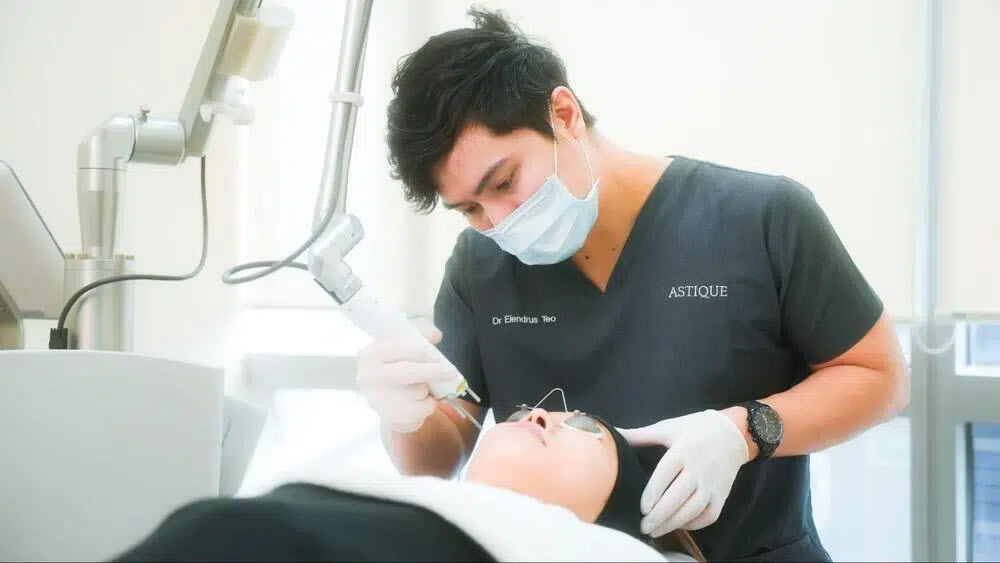
A common question for many individuals is the level of discomfort associated with such a powerful laser. Because Pico laser treatment relies on pressure rather than heat, most patients find it much more tolerable than older laser modalities. The sensation is often described as a light, quick snapping feeling against the skin. While certain sensitive areas may feel more intense, the speed of the procedure—usually lasting between fifteen and thirty minutes—makes it very manageable.
Safety is further enhanced through professional clinical oversight. A qualified practitioner will adjust the wavelengths and energy levels based on the specific condition being treated and the patient's skin profile. In Singapore, where aesthetic treatments are highly regulated, visiting a reputable clinic ensures that the device is medical-grade and that the settings are optimised for maximum efficacy with minimal risk. This professional approach is vital for ensuring that the skin's integrity is protected while achieving the desired aesthetic improvements.
Minimal Downtime and Post-Treatment Expectations
One of the most significant advantages of picosecond technology is the lack of physical downtime. Immediately following a session, the skin may appear slightly pink or feel somewhat warm, similar to the sensation of a mild sunburn. However, these effects are transient and typically subside within a few hours to a day. Patients are usually able to return to their professional and social activities immediately after leaving the clinic, and makeup can often be applied shortly after.
Post-treatment care is simple but essential. Patients are advised to keep the skin hydrated with gentle moisturisers and to be diligent about sun protection. Because the skin is in a state of active repair, avoiding direct UV exposure is critical for preventing new pigment from forming and ensuring the best possible results. Following the clinician's advice on skincare will support the collagen-building process and help the skin recover quickly, ensuring a smooth and successful journey to skin rejuvenation.
Planning for Long-Term Skin Health
While some immediate brightening can be seen after the first session, the full benefits of Pico laser treatment are usually realised over a series of treatments. Most clinical protocols suggest a course of three to five sessions, spaced about four weeks apart. This allows the body enough time to clear away the shattered pigment and build a strong foundation of new collagen. The results are cumulative, with the skin continuing to improve in texture and tone for several months after the final session.
In conclusion, picosecond technology represents the cutting edge of non-invasive skin rejuvenation. Using mechanical pressure to address imperfections, it provides a level of precision and safety that was previously unattainable. Whether the goal is to erase stubborn spots, smooth out scars, or simply refresh a tired complexion, this treatment offers a reliable and scientifically backed path to better skin. With the guidance of a skilled professional, individuals can achieve a vibrant, clear, and youthful look that reflects their inner confidence.
Read another Article: Advanced Skin Brightening with Dual Yellow Laser Technology
