
Advanced Methods for Non-Surgical Facial Lifting
In the contemporary aesthetic landscape of Singapore, the demand for procedures that offer visible results without the need for traditional surgery has grown exponentially. Many individuals are now seeking ways to address the natural signs of ageing, such as sagging skin and a loss of facial definition, while maintaining their busy professional and social commitments. Modern medical technology has responded by providing non-invasive alternatives that focus on stimulating the body’s own regenerative capabilities rather than relying on external modifications. These advancements have made it possible to achieve a naturally refreshed and youthful appearance through precisely controlled energy delivery that respects the integrity of the skin's surface.
Navigating the various options available in the clinical market requires a comprehensive understanding of how different energy modalities interact with the dermal and foundational layers of the face. While topical applications and minor cosmetic enhancements serve their purpose, structural lifting requires a more targeted approach that reaches the deeper connective tissues. By embracing the latest generation of ultrasound technology, patients can benefit from a more efficient and personalised treatment experience. This strategic approach to facial rejuvenation prioritises long-term skin health and structural integrity, ensuring that the results are not only effective but also harmonious with the individual's natural facial features.
Key Takeaways:
- Advanced ultrasound technology provides a non-invasive way to lift the brow, chin, and neck.
- Real-time imaging allows practitioners to see the specific tissue layers being treated for maximum safety.
- Modern systems are designed to be more efficient, reducing treatment time while maintaining efficacy.
- Results develop naturally over several months as the body synthesises fresh collagen and elastin.
- Minimal downtime ensures that patients can resume their daily routines almost immediately after the session.
The Biological Role of Collagen in Skin Resilience
The structural framework of the human face is primarily supported by a dense matrix of proteins, with collagen and elastin playing the most significant roles. Collagen provides the necessary strength and volume to keep the skin firm and taut, while elastin allows the tissue to stretch and recover its original shape. During our youth, the body maintains a high rate of turnover for these essential fibres, resulting in a complexion that is resilient and well-defined. However, as the natural ageing process advances, the cellular mechanisms responsible for this turnover begin to decelerate, causing the internal scaffolding of the skin to weaken.
This internal degradation is often accelerated by extrinsic factors such as prolonged ultraviolet radiation and environmental pollution, which can fragment existing protein chains and lead to premature laxity. When the foundational support system begins to fail, it manifests externally as visible drooping along the jawline, the formation of jowls, and a softening of the brow. To address these changes effectively, it is necessary to go beyond superficial hydration and stimulate the deeper layers where the repair process occurs. By triggering the body’s innate healing response through thermal stimuli, clinicians can encourage the production of fresh collagen that reinforces the skin's internal architecture.
Advancements in High-Intensity Focused Ultrasound
The development of focused ultrasound energy has revolutionised the way clinicians approach non-surgical lifting by offering a depth of penetration that was previously only possible through surgery. Unlike light-based treatments that are absorbed by the surface layers, ultrasound waves can bypass the epidermis to reach the superficial muscular aponeurotic system, which is the exact layer tightened during a traditional facelift. By delivering precise thermal pulses to these deep focal points, the technology induces a controlled reaction that prompts the immediate contraction of weakened fibres. This foundational tightening provides the necessary support to lift the visible layers of the face and neck.
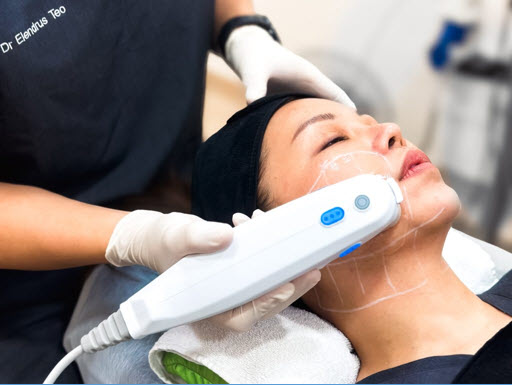
Recent innovations in this field have led to more sophisticated systems that prioritise both clinical efficacy and the patient experience. For those considering an Ultherapy treatment in a professional clinical setting, the latest generations of technology offer an increase in speed and efficiency compared to legacy versions. These modern systems incorporate advanced transducers and more powerful processing units, allowing for a more streamlined delivery of energy that reduces the total duration of the session. By making the procedure more efficient, medical practitioners can ensure a more comfortable journey for the patient without compromising the long-lasting lifting results that have made this modality a global standard.
The Importance of Real-Time Imaging for Precision
One of the most significant safety features of modern ultrasound lifting is the integration of real-time visualisation technology during the energy delivery process. This capability allows the medical professional to view the different layers of skin and connective tissue on a digital display as the treatment is being administered. By seeing the anatomy in real-time, the clinician can confirm that the energy is being deposited at the precise depth required for optimal collagen stimulation, such as the SMAS layer or the deep dermis. This visual feedback is a critical component of medical governance, as it prevents the energy from reaching unintended structures.
This level of precision also enables a much higher degree of customisation for each patient, as no two faces are identical in terms of tissue thickness or fat distribution. The practitioner can adjust the treatment map based on the specific anatomical feedback provided by the imaging system, ensuring that every pulse of energy is delivered to the most beneficial area. This data-driven approach removes the guesswork often associated with blind energy delivery and ensures that the therapeutic window is maintained throughout the session. For the patient, this means a more predictable outcome and the reassurance that their facial rejuvenation is being managed with professional oversight.
Managing Expectations and the Results Timeline
Understanding the physiological timeline of a non-surgical lift is essential for patients who wish to manage their expectations effectively. While some initial tightening may be noticed immediately following the session due to the thermal contraction of existing collagen, the true lifting effect is a gradual biological process. Over the course of three to six months, the body continues to synthesise and organise new protein fibres that progressively firm the treated areas. This slow and steady improvement is often preferred by those who want their aesthetic enhancements to look entirely natural and integrate seamlessly with their features.
The longevity of the results achieved through focused ultrasound is another significant advantage, with many patients enjoying a firmer and more defined profile for a year or even longer. Because the treatment stimulates the body's own repair mechanisms, the improvements are structurally sound and part of the skin's own biological makeup. While the natural ageing process will eventually continue, the baseline quality of the skin is significantly enhanced, providing a more resilient foundation for the future. Regular follow-up appointments allow the clinician to monitor these changes and provide guidance on how to preserve the appearance through healthy lifestyle choices and maintenance.
Recovery Considerations and Long-Term Maintenance
One of the primary reasons for the popularity of ultrasound-based lifting is the minimal disruption it causes to a person's daily routine. Because the energy is delivered deep beneath the surface, the outermost layer of the skin remains intact, meaning there is no requirement for dressings, incisions, or extended wound care. Patients may experience a mild pinkness or a slight sensation of tenderness immediately after the procedure, but these effects are transient and typically resolve within a few hours. This allows individuals to return to their professional obligations or social engagements with confidence, making it a discreet option for those who value privacy.
To protect the investment made in a clinical lifting procedure, a dedicated approach to long-term skin health is highly recommended. Daily sun protection remains the most vital factor in preventing the breakdown of newly formed collagen and protecting the skin from further environmental damage. Supplementing this with a nourishing skincare routine that includes medical-grade antioxidants and hydrators can help to support the skin's barrier and enhance the overall luminosity of the complexion. By viewing facial rejuvenation as an ongoing partnership with a trusted medical provider, individuals can adapt their strategies as their skin continues to age, ensuring they remain structurally supported at every stage.
Read another Article: Professional Standards in Singapore Aesthetic Clinics
